Draconid Meteor Shower Peaks This Week With Dark Skies
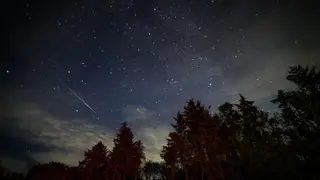
The Draconid meteor shower is active from Oct. 6 to 10 and peaks on the evening of Oct. 8 into Oct. 9. It usually produces about 10 meteors per hour, but it has occasionally caused meteor storms with hundreds per minute. This year's peak coincides with a new moon, so dark skies should improve viewing.
The Draconids are active each year from Oct. 6 through 10, with peak activity expected on the night of Oct. 8 into Oct. 9. Unlike many showers that favor pre-dawn hours, this one is often best viewed in the evening because its radiant lies in Draco, a constellation that stays above the horizon for many Northern Hemisphere observers.
The shower comes from Comet 21P/Giacobini-Zinner, found in 1900, which circles the sun about every 6.6 years and was last near the inner solar system in 2025. Most years bring roughly 10 meteors hourly, but past peaks have produced extraordinary rates, including hundreds per minute in Europe in 1933 and dozens per minute in the U.S. in 1946.
The story may encourage casual observers to spend time outdoors, potentially benefiting local astronomy clubs, planetariums, and dark-sky sites through increased interest. If a rare storm occurs, public attention could surge, though most viewers may see only modest activity. Scientists and citizen observers may use the event to track an unpredictable shower, while cloudy weather or low rates could temper engagement.