Excavations in Italy’s Tina Jama cave reveal Mesolithic camp and rare antler implements
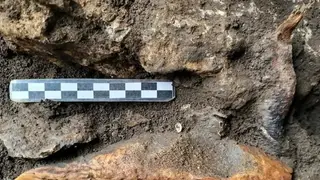
Archaeologists working at Tina Jama cave in northeastern Italy have uncovered evidence of a hunter-gatherer camp dating to roughly 7,500 years ago. Finds include stone tools, shell and tooth ornaments, and a hearth area. The site also yielded unusual tools made from deer antler.
The Tina Jama cave excavation concerns a Mesolithic camp of hunter-gatherers in northeastern Italy, dated to about 7,500 years ago. Reported finds include implements of stone, decorative pieces made from shells and teeth, a hearth, and tools fashioned from deer antler. Because the material is limited, the site is best understood as one archaeological window onto Mesolithic life in the region, with its importance depending on future analysis and publication.
The find may draw attention from local communities, museums, and archaeology enthusiasts in northeastern Italy, potentially supporting heritage tourism or educational programming. Researchers could use it to enrich public discussion of Mesolithic hunter-gatherers, while site managers may weigh preservation against access. Any impact is likely to be gradual and modest, shaped by how the discovery is studied, published, and presented to the public.