Zaporizhzhia Strike’s Death Toll Climbs to 20 After Search Operation Ends
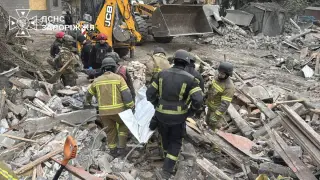
Rescue teams in Zaporizhzhia finished their work after a Russian guided aerial bomb hit a residential building, leaving 20 people dead, including four children, and 17 injured. Crews removed about 320 metric tons of debris, with canine units from Donetsk and Dnipropetrovsk helping search for victims. Local authorities declared a day of mourning and shifted to recovery and stabilization efforts.
The bombing happened Saturday, Oct. 10, in Zaporizhzhia, a city in southeastern Ukraine. A guided aerial bomb destroyed an entrance section of a multi-story apartment block and also harmed nearby buildings and detached houses. Rescue crews worked through Saturday; after eight hours, they freed a woman alive. Search dogs from Donetsk and Dnipropetrovsk regions assisted.
By Sunday, Oct. 11, the operation ended. Workers had cleared roughly 320 metric tons of concrete and masonry rubble. Municipal teams then started perimeter clearing and structural stabilization. Zaporizhzhia declared a day of mourning. The strike involved tactical aircraft dropping high-explosive guided bombs from beyond short-range air-defense reach.
The loss of 20 lives, including four children, could leave lasting grief and fear among Zaporizhzhia residents, particularly families in the damaged neighborhood and those displaced. Recovery and stabilization work may strain municipal services and emergency responders, while the day of mourning could foster shared commemoration. Injured survivors and rescue personnel may face prolonged physical and emotional effects. The wider community may also experience heightened insecurity, with daily life potentially shaped by the threat of such attacks.