India protests erupt over voter-roll revision and election commissioner
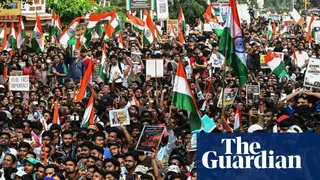
Protests in India have demanded the resignation of chief election commissioner Gyanesh Kumar and the reversal of an electoral rolls revision that removed 130 million people. Delhi authorities responded with a heavy crackdown, cancelling trains, closing metro stations, cutting internet service and detaining activists and opposition figures. The unrest has raised questions about the independence of India’s electoral process.
Daily protests followed an electoral roll revision that removed 130 million people. Demonstrators want Chief Election Commissioner Gyanesh Kumar to resign and the revision reversed. Delhi authorities cancelled 245 trains, shut 45 metro stations, closed liquor shops, cut internet in central areas, and detained activists and opposition figures.
The crackdown also reached Mumbai, where Tushar Gandhi was taken away. Rahul and Priyanka Gandhi were detained during Congress protests. The BJP said parliament, not streets, should govern. Delhi police later withdrew Jantar Mantar as a designated protest site and suggested three alternatives.
The unrest may deepen public distrust in electoral institutions, especially among the 130 million removed from rolls and opposition supporters. Heavy security and internet shutdowns could disrupt daily life, commerce, and access to information in Delhi. If protests continue, authorities may face greater scrutiny over civil liberties and election integrity, while political parties could harden their positions. The outcome could shape confidence in future elections and the space for dissent.