Indian voters protest mass removals from electoral rolls
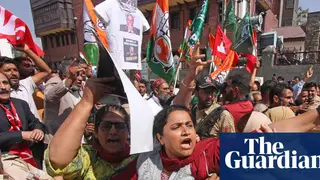
Protests have erupted across India after 130 million names were removed from voter rolls through a special revision process. The government says the exercise removed dead or duplicate entries, but critics argue it has disproportionately disenfranchised Muslims, minorities, and poorer communities. The controversy has become a major challenge for Narendra Modi’s government.
India’s election commission has carried out a special intensive revision, or SIR, that has cut 130 million entries from voter lists since last year—a scale unmatched in nearly 80 years of independence. Officials describe it as removing deceased or duplicated registrations, but many living citizens, including Shahida Fakir, were excluded despite birth, land, and parental records.
The backlash has spread to major cities. In Delhi, authorities erected barricades and deployed large security forces during youth-led demonstrations. Opposition groups marched and petitioned the Supreme Court, seeking the resignation of chief election commissioner Gyanesh Kumar. In West Bengal, new BJP rule has brought detention centres and claims that Muslims left off rolls are being targeted.
The dispute could deepen distrust in electoral institutions, especially among Muslims, minorities, poorer and lower-caste communities who may feel their political voice is being weakened. If excluded voters remain off rolls, their representation and ability to participate may be affected. Protests may intensify polarization, while courts and election officials could face pressure to restore confidence.