Moscow shifts methods in push to permanently cripple Ukraine's power system
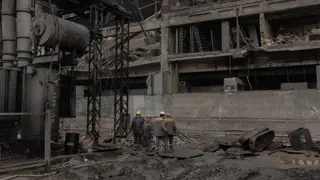
Russia has escalated strikes on Ukraine's energy infrastructure, including an Oct. 14 attack that hit 26 power facilities, according to President Volodymyr Zelensky. The campaign appears aimed at isolating and disconnecting Kyiv after months of attacks on businesses and critical infrastructure, while Ukraine lacks enough air defense. Russia is also deploying jet-powered drones and AI-guided loitering munitions, and recent drone and missile activity near nuclear plants has raised concerns about possible strikes there.
Zelensky reported that the Oct. 14 barrage struck 26 electricity sites. During Oct. 5–11, the energy ministry recorded roughly 200 impacts on power infrastructure and 17 on oil and gas facilities. Kyiv and front-line areas have seen hundreds of thousands lose electricity and water; metro service lost power temporarily after attacks on Oct. 8 and 14.
Moscow has added ballistic missiles, jet-engine drones, and artificial-intelligence-guided attack drones that circle before striking, used around the clock. It also hits supporting links, such as rail routes moving coal. An energy official noted more drone and missile traffic near nuclear sites, suggesting possible surveillance or preparation for attacks, which Russia has mostly avoided.
If attacks continue, households, hospitals, businesses, and transit users in Kyiv and front-line areas could face longer outages, water disruptions, and unsafe repair conditions. Winter may heighten hardship for vulnerable residents, while industrial and commercial activity may slow. Uncertainty around nuclear facilities could increase public anxiety, though actual effects depend on air defenses, repair capacity, and whether strikes escalate.