Land acquisition hurdles for renewable energy
The article examines legal and regulatory obstacles tied to securing land for renewable energy and transmission projects in India. It reviews issues across the project lifecycle, including site selection, procurement, approvals, construction, operation, and decommissioning. It also compares state policies on land acquisition, leasing, and right-of-way compensation and considers how these differences affect costs and timelines.
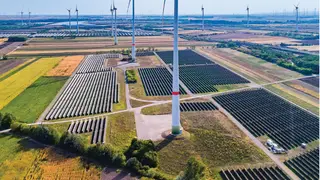
India’s shift to clean power may require vast areas: estimates cited above put solar at 50,000–75,000 square kilometres and direct wind at 1,500–2,000 square kilometres, before transmission corridors are added. Legal vulnerability is greatest during development and construction, when developers check titles, past deals, mortgages, leases and rival claims, and classify land as agricultural, forest, grazing or government-owned.
Later stages bring further issues. Converting farmland for non-farm use, compensating notified owners, and managing construction effects on crops, trees, roads and drainage can trigger disputes. Once operating, projects need periodic access for inspection and maintenance, while transmission corridor limits and changes in land ownership can complicate long-term leases or third-party access. State rules on ceilings, conversion, consent and compensation differ.
The story’s impact may be felt by landowners, co-owners and communities dependent on affected land, as well as developers and transmission planners facing uncertain costs and timelines. Clearer, consistent rules on compensation, consent and land use could reduce disputes and delays, potentially speeding clean-energy deployment. If differences between states persist, however, project economics and community outcomes may vary, making fair treatment and transparent processes important for public trust.