Venus Moves Between Earth and Sun, Shifting to Morning Sky
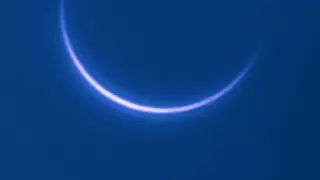
Venus reaches inferior conjunction on October 24, 2026, passing about 40 million kilometers from Earth as it crosses between our planet and the Sun. The event moves the planet from the evening sky into the morning sky, though observing it near the Sun requires careful safety measures. This conjunction follows an eight-year pattern in Venus's apparitions and is not a solar transit.
Venus reaches inferior conjunction at 4:00 UT on 24 October 2026, about 0.27 AU (40 million km) from Earth. Because its orbit is tilted roughly 3.4 degrees to the ecliptic, it usually passes north or south of the Sun rather than across it; the last solar transit was in 2012 and the next is not until 2117.
Its apparitions repeat on an eight-year rhythm: Venus completes 13 solar orbits while Earth completes eight, producing five sky circuits short by about 2.4 days. The 2026 event is therefore similar to 2018, and the conjunction shifts Venus from evening visibility to morning visibility.
The event may mainly affect amateur astronomers, astrophotographers, and science communicators, who could use it to explain planetary orbits and safe solar observing. Because Venus is difficult to view near the Sun, public interest may center on images and explanations rather than direct viewing. This could modestly boost astronomy outreach and equipment-safety awareness, while most of society is unlikely to experience direct daily impact.