Liver Cholesterol Pathway Offers New Heart Disease Target
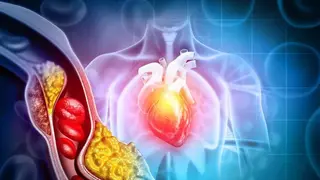
A high-cholesterol diet appears to impair the liver's ability to clear harmful cholesterol from the blood. In mice, blocking the identified pathway lowered LDL, suggesting a shelved heart failure drug might be repurposed. The finding could inform new strategies for treating cholesterol-related heart disease.
The report centers on the liver’s role in removing harmful cholesterol from the bloodstream and on how a high-cholesterol diet may interfere with that process. In mice, blocking the pathway under study reduced LDL, pointing to a possible treatment target. The summary also notes that a heart failure drug already shelved might be repurposed for this purpose. Because the available material is limited, the finding is best understood as an early research lead that could shape future approaches to cholesterol-related heart disease rather than a confirmed clinical strategy.
If the pathway proves relevant in people, it could affect adults managing high cholesterol and those at risk of cholesterol-related heart disease, including patients who might eventually benefit from a repurposed medicine. Researchers and clinicians may see it as a prompt for further study, while patients could gain another potential option if later trials succeed. Because the evidence described is in mice, any societal benefit would depend on replication and safety testing, so near-term impact may be limited.