Watch China’s Shenlong Space Plane Glide Over U.S. Skies This Week
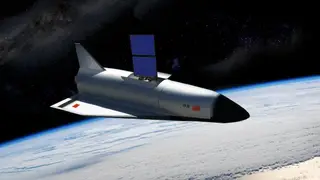
China’s reusable Shenlong space plane is set to make multiple visible passes over major U.S. cities from late October through early November 2026. The spacecraft, which has been in orbit since its fourth mission, remains shrouded in secrecy despite being captured in high-resolution images by U.S. intelligence. Skywatchers can track its path using satellite prediction tools like Heavens-Above for optimal viewing times.
China’s Shenlong space plane, launched on its fourth orbital mission in 2024, is set to make multiple visible passes over major U.S. cities from October 30 through early November 2026. According to satellite-tracking data from Heavens-Above, observers in New York, Chicago, Denver, and Los Angeles can expect to see the spacecraft between 4:29 a.m. and 6:20 a.m. local time on specific dates during that window. The space plane, which remains shrouded in secrecy despite being photographed by Maxar Technologies for the U.S. Defense Intelligence Agency (DIA), appears as a bright point of light moving steadily across the night sky—visible to the naked eye under dark, moonless conditions. Its reusable design mirrors that of the U.S. Air Force’s X-37B, suggesting potential military or dual-use applications. China’s space agency has described the mission as testing technologies for “more convenient and affordable round-trip methods” for peaceful space use, though no further details have been released.
The lack of transparency surrounding Shenlong’s purpose has fueled speculation among space analysts and intelligence observers. The fact that U.S. agencies have captured high-resolution images indicates active monitoring, yet China has not disclosed mission objectives, payload, or orbital parameters beyond basic launch and recovery data. This opacity raises questions about the nature of its experiments—whether they involve satellite servicing, surveillance, or advanced materials testing.
The visibility of Shenlong over U.S. cities could heighten public awareness of China’s advancing space capabilities, potentially influencing how citizens perceive national security and technological competition in space. While the spacecraft itself poses no immediate threat, its unannounced missions may amplify concerns about space militarization, especially given parallels with the U.S. X-37B program. This could affect diplomatic discourse and defense policy, particularly as both nations expand reusable space assets. The event may also inspire broader interest in amateur astronomy and satellite tracking, boosting engagement with platforms like Heavens-Above and fostering a more informed public. A comparable precedent is the 2018 U.S. military launch of the X-37B, which generated similar public curiosity and speculation despite limited official details. Looking ahead, the next phase may involve increased transparency—or further opacity—depending on how China chooses to manage internati