Ancient Central Asian women used imported cinnamon-scented makeup, revealing Silk Road trade links
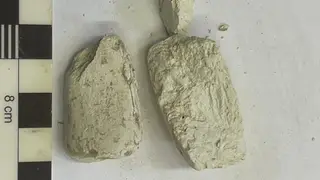
Analysis of a 2,000-year-old burial in Kazakhstan revealed that white chalk blocks found with two women were likely cosmetic products scented with cinnamon, a spice not native to the region. The discovery indicates long-distance trade connections during the Jetyasar culture period, linking Central Asia to South Asia. Chemical traces confirm the use of Indian cinnamon, highlighting early commercial networks across Eurasia.
In a 2,000-year-old burial site in Kazakhstan, archaeologists discovered white chalk blocks associated with two women, which analysis now indicates were used as cosmetic products scented with cinnamon. The presence of Indian cinnamon—non-native to Central Asia—confirms that trade networks extended far beyond regional borders during the Jetyasar culture period. This finding offers direct chemical evidence of long-distance exchange between Central and South Asia, predating more widely recognized phases of Silk Road activity. The burial context, dating to approximately 2,000 years ago, places this discovery within a pivotal era of cultural and economic interaction across Eurasia. While the exact route remains unspecified, the use of cinnamon suggests established commercial pathways that transported luxury goods across vast distances.
The significance of this find lies in its material confirmation of early transcontinental trade, moving beyond speculative models based on artifact distribution. Prior archaeological work had hinted at such connections, but this is among the first instances where chemical analysis directly links a specific imported spice to personal adornment practices. The Jetyasar culture, known for its burial customs and regional influence, now appears as part of a broader Eurasian exchange system. No specific institutions or individuals are named in the report, though future research may involve collaboration between Kazakh archaeologists, South Asian specialis
This discovery could reshape public understanding of ancient globalization, demonstrating that complex trade networks existed centuries before the classical Silk Road era was traditionally recognized. It may influence how museums present prehistoric Eurasian connections, potentially leading to updated exhibits on early cross-cultural exchange. For scholars of material culture and ancient economies, the find reinforces the idea that personal adornment was not merely symbolic but tied to long-distance commerce. The use of a luxury spice like cinnamon in burial contexts suggests social status or ritual significance, possibly indicating elite access to exotic goods. A comparable earlier case is the discovery of Roman glassware in China’s Han Dynasty tombs, which similarly revealed unexpected trade links. However, this new finding extends the timeline and geographic reach further west into Central Asia. The implications for understanding cultural diffusion are significant—such evidence may