Possible Fossilized Blood Cells Detected in 115-Million-Year-Old Dinosaur Bone
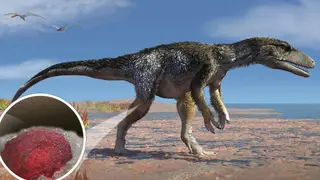
Chemical analysis of a fossilized dinosaur bone from Brazil has revealed traces that may represent preserved red blood cells, according to a new study. However, the findings remain controversial, with some experts questioning whether the signals are truly biological or mineral artifacts.
A recent study has identified chemical traces in a fossilized dinosaur bone from Brazil that may represent preserved red blood cells dating back 115 million years. The analysis was conducted on a specimen recovered from the region’s Cretaceous-era sedimentary rock, with researchers using advanced spectroscopic techniques to detect organic signatures. While the findings suggest the potential preservation of biological material far beyond previously accepted limits, the results are not definitive. Some paleontologists caution that the signals detected could be mineral in origin rather than biological, raising questions about whether the structures observed are truly remnants of ancient blood cells or mineral artifacts formed during fossilization. This controversy echoes earlier debates over similar claims, such as those involving soft tissue in Tyrannosaurus rex fossils from the early 2000s, which sparked intense scrutiny and replication efforts.
The research team, though unnamed in the summary, represents a growing effort in paleobiology to push the boundaries of what can be recovered from ancient remains. Their work is driven by the desire to understand biological processes in extinct species at a cellular level. However, skepticism persists within the scientific community, particularly regarding the reliability of chemical signals in fossilized material that may degrade or mimic biological patterns over time. The broader implications hinge on whether such findings can withs
The discovery could influence how museums, educational institutions, and science communicators present ancient life, potentially reshaping public understanding of fossil preservation. If confirmed, it may bolster interest in paleontology among students and donors, possibly increasing funding for high-tech analytical tools in geology and biology departments. The findings may also affect the credibility of commercial fossil markets, where claims of soft tissue preservation have already sparked controversy and skepticism. A comparable case is the 2005 claim of dinosaur blood cells in T. rex bones, which initially generated widespread excitement but later faced criticism over contamination and interpretation. That episode demonstrated how scientific breakthroughs can quickly shift from public fascination to methodological scrutiny. The current study may follow a similar trajectory—gaining attention before facing rigorous evaluation. What to watch for is whether other labs attempt replicati