JinkoSolar to Supply Modules for Kyrgyzstan’s Largest Solar Plant; Zambia Aims for December Commissioning of 60 MW Solar Project
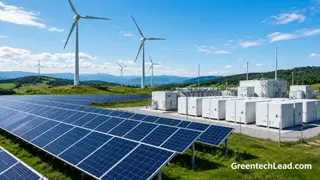
Chinese photovoltaic manufacturer JinkoSolar has signed an agreement to supply solar modules for a 325 MW project in Kyrgyzstan, which is expected to become the country’s largest solar power plant. In Zambia, the first phase of the Cooma solar power project—comprising 60 MW of photovoltaic generation and a 20 MW battery storage system—is set to be commissioned by the end of December 2026. The project integrates solar generation with energy storage for enhanced grid stability.
JinkoSolar has secured a contract to supply solar modules for a 325 MW photovoltaic project in Kyrgyzstan, marking a significant step in the country’s renewable energy expansion. The plant, expected to become Kyrgyzstan’s largest solar power facility, is set to be developed on land in the southern region of the country, though specific location details are not provided in the report. The agreement was confirmed on November 10, 2026, with commissioning likely to follow in late 2027 or early 2028, although exact timelines remain unspecified. This project reflects Kyrgyzstan’s growing interest in diversifying its energy mix beyond hydropower and reducing reliance on imported fossil fuels. The move aligns with broader regional efforts across Central Asia to scale up solar capacity amid rising climate concerns and increasing international investment in clean energy infrastructure.
In Zambia, the Cooma solar power project’s first phase—comprising 60 MW of solar generation and a 20 MW battery storage system—is scheduled for commissioning by December 31, 2026. This integration of solar and storage is designed to improve grid stability, particularly during peak demand or when solar output fluctuates. The project’s progress reflects Zambia’s commitment to expanding renewable capacity amid growing energy demand and efforts to reduce carbon emissions. Dolomiti Energia’s acquisition of a 48.3 MW wind farm in Sicily adds to the momentum in Europe’s renewable transition, though this development is separate from the Central Asian and African projects. The key unresolved question remains whether the battery storage component will be fully operational by the December deadline, as delays in such systems are common. No further details on project financing or local community involvement are available.
The Kyrgyzstan and Zambia developments signal a broader trend of emerging markets leveraging international partnerships to accelerate renewable deployment. These projects could enhance energy access and reduce emissions in regions where grid infrastructure is underdeveloped, potentially improving economic resilience. The inclusion of battery storage in Zambia’s project may serve as a model for other African nations seeking to stabilize intermittent solar supply, though scalability remains uncertain without further investment in grid modernization. Comparable to India’s rapid solar rollout in the 2010s—where policy support and foreign investment drove growth—these projects could catalyze regional energy transitions if replicated. However, success depends on consistent regulatory frameworks, local workforce development, and long-term maintenance planning. What remains unclear is whether these projects will be integrated into national energy strategies beyond pilot status or face delays due to financing or technical challenges. Monitoring their performance over the next two years will be critical in assessing their real-world impact.