Russian Sanctioned Ship Sparta II Caught Fire After Drone Strike in Gulf of Finland
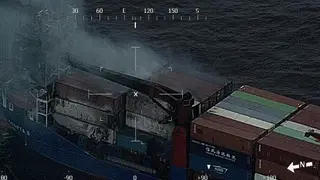
The Russian cargo ship Sparta II, sanctioned by Ukraine and the U.S. for supporting Russia’s military-industrial complex, caught fire after a reported drone strike in the Gulf of Finland on November 21. The vessel lost steering control, drifted into Finnish territorial waters, and required evacuation of its crew. Finnish authorities requested assistance from a sanctioned Russian rescue vessel, Murman, to prevent environmental damage as firefighting operations continued.
On November 21, 2026, the Russian cargo ship Sparta II, sanctioned by both the U.S. and Ukraine due to its ties with Russia’s military-industrial complex, was struck by what Finnish and Estonian authorities believe was a drone attack in the Gulf of Finland near Russian territorial waters. The vessel, operated by Oboronlogistika—a company linked to the Russian Defense Ministry—lost steering control and drifted into Finnish territorial waters near Loviisa. The fire that broke out aboard the ship remained uncontained, prompting the evacuation of its crew via lifeboats and transfer to a nearby cargo vessel, with no injuries reported. Finnish authorities established a restricted zone around the vessel, warning of possible further explosions and the risk of sinking if the fire persisted. The Russian rescue vessel Murman, also under U.S. sanctions since 2021 for its role in the Nord Stream 2 pipeline, was requested to assist in firefighting operations to prevent environmental damage, with the goal of towing the vessel into Russian maritime jurisdiction. Finnish Defense Ministry confirmed a drone attack was detected in international waters west of Suursaari Island, and while Ukraine has not claimed responsibility, Finnish officials, including spokesperson Aki-Mauri Huhtinen, suspect Ukrainian involvement. A separate incident involving a Russian helicopter allegedly violating Finnish airspace near Loviisa hours later has been linked by Finnish Defense Minister Antti Häkkänen to possible monitoring or rescue efforts related to the damaged ship. The cargo aboard Sparta II remains unidentified, raising concerns about potential military materials, though no confirmation has been made. The incident underscores the growing militarization of maritime routes in the Baltic Sea and the risks posed to commercial shipping by targeted strikes.
The attack on Sparta II marks a significant escalation in the indirect theater of the war, demonstrating how sanctions and targeted operations are now extending beyond Ukraine’s borders into the Baltic Sea. The involvement of a sanctioned Russian rescue vessel in a joint operation with Finnish authorities highlights the complex, often contradictory, realities of international maritime law and crisis response during conflict. While Finland maintains neutrality, its actions—requesting assistance from a sanctioned Russian vessel—could signal a pragmatic approach to environmental and safety risks, even amid geopolitical tensions. The incident may prompt other Baltic states to reassess maritime security protocols, especially given the suspected drone attack and airspace violation. Comparable to the 2022 Nord Stream pipeline sabotage, this event could fuel speculation about state-sponsored or proxy operations in international waters, with implications for shipping insurance, insurance premiums, and route planning. The broader impact may include increased military surveillance and restrictions in the region, affecting both commercial and civilian traffic. What remains unclear is whether this was a one-off operation or part of a broader campaign targeting sanctioned vessels. The international community may watch closely for similar incidents, particularly as the conflict evolves and maritime chokepoints become more contested.