Himalayan glacier collapse and landslide compound event drives Nepal flood catastrophe, scientist says
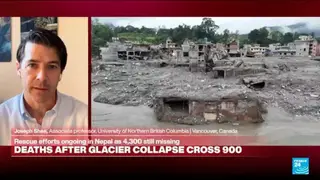
A glaciologist from the University of Northern British Columbia describes the Nepal disaster as a compound event where a glacier failure and a massive landslide occurred simultaneously. He links the catastrophe to the well-documented transformation of the Himalayas under climate change, noting that warming is altering high-mountain environments. Scientists may need to watch for subtle warning signs of rare but potentially devastating cascading hazards in the future.
The disaster unfolded as a compound event, with a glacier failure and massive landslide occurring simultaneously, according to glaciologist Joseph Shea of the University of Northern British Columbia. This dual-hazard mechanism distinguishes the catastrophe from a simple glacial lake outburst flood. Shea situates the event within the broader, well-documented transformation of the Himalayas, where warming temperatures are fundamentally altering high-mountain environments and increasing the likelihood of cascading hazards.
The article's related coverage notes that flood deaths have surpassed 950 across Nepal and China, with hundreds feared trapped in hydropower tunnels. Other experts cited in adjacent reporting describe the floods as "unprecedented," calling for new engineering approaches and risk-sensitive urban planning. Scientists may increasingly need to monitor subtle precursors to rare but potentially devastating events as the region's glaciers continue their documented retreat.
This catastrophe could reshape how communities and governments across the Himalayan region assess infrastructure risk, particularly hydropower projects situated in vulnerable valleys. Residents in downstream areas may face heightened uncertainty about flood preparedness, while engineers and urban planners could need to reconsider design standards for a rapidly changing climate. The event may also influence international disaster-response protocols and funding priorities, as scientists and policymakers grapple with compound hazards that defy traditional single-cause risk models.