Nepal begins mass burial of flood victims as decomposition accelerates
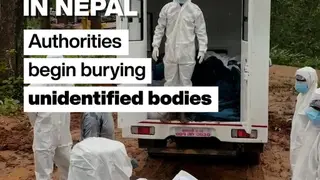
In Bharatpur, Nepal, authorities have started burying unidentified bodies recovered after devastating floods. Many remains are in advanced decomposition, prompting officials to prioritize health and odor concerns over formal identification. The move comes as the death toll continues to rise daily.
The burial operation in Bharatpur reflects the mounting logistical strain on Nepalese authorities as the flood crisis enters its second week. With the death toll exceeding 950 across Nepal and neighboring China, recovery teams are retrieving bodies daily from waterways and debris fields, yet many cannot be identified due to severe decomposition. Officials have prioritized rapid interment to mitigate public health hazards and overwhelming odors at temporary holding sites.
This disaster has been linked to a glacier collapse and massive landslide in the Himalayas, with experts describing the flooding as unprecedented and calling for new engineering approaches and risk-sensitive urban planning. Rescue efforts remain complicated, particularly for hundreds of workers feared trapped in mud-swamped hydropower tunnels.
This burial decision could strain families' ability to grieve properly, as unidentified remains may never be claimed or formally recognized. The broader community may face lasting psychological trauma from the loss of loved ones without closure. The disaster could also reshape Nepal's infrastructure policies, particularly regarding hydropower development in vulnerable mountain regions, while highlighting how climate-driven glacial changes increasingly threaten South Asian populations.