Looming Super El Niño May Amplify Himalayan Warming Risks
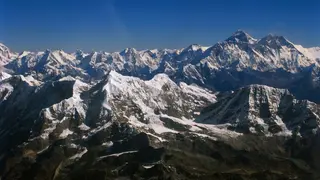
Following a deadly debris avalanche and flood in Nepal and Tibet that killed over 1,000 people, scientists are examining how a forecasted super El Niño could intensify warming in the Himalayan region. El Niño events, characterized by warmer Pacific Ocean temperatures, can trigger global weather disruptions, and experts warn that combined with decades of climate change, this year's event may increase the likelihood of further catastrophic landslides and glacial instability. The exact impacts on Nepal, Tibet, and the high mountains remain uncertain, but the stakes are high as recovery efforts continue.
EXPANDED:
El Niño events, defined by warmer Pacific waters, typically peak in December. In the Himalayan region, they often bring warmer-than-usual summer air temperatures (June-August) and a drier monsoon season. However, local factors like Indian Ocean influence, wind patterns, and microclimates make impacts highly unpredictable.
If this super El Niño transitions into La Niña by next summer, increased precipitation could arrive, adding stress to already vulnerable glaciers and slopes.