Newly found gene mutation boosts lung cancer odds for nonsmokers
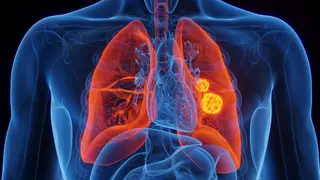
Researchers have found a rare genetic variant that significantly increases lung cancer risk in people who have never smoked. The mutation appears more frequently in individuals born in the southeastern United States, suggesting a regional pattern.
The discovery centers on a rare genetic variant that appears to substantially elevate lung cancer risk among individuals who have never smoked. Researchers identified this mutation through genetic analysis, noting that it occurs with greater frequency in people born in the southeastern United States. This geographic clustering suggests that regional ancestry or population history may play a role in how the variant is distributed.
Lung cancer in nonsmokers has long puzzled researchers, as traditional risk factors like tobacco exposure do not apply. Genetic predisposition offers one explanation, and this finding adds to a growing body of evidence that inherited factors can shape cancer susceptibility independent of lifestyle. The regional pattern may help guide future screening efforts and genetic counseling in affected populations.
This finding could reshape how lung cancer risk is assessed for nonsmokers, particularly those with family roots in the southeastern US. If confirmed, it may lead to targeted genetic screening for at-risk individuals, enabling earlier detection and intervention. It could also influence public health messaging, shifting some focus from lifestyle factors toward inherited susceptibility. However, the rarity of the variant means its overall societal impact may be limited to specific populations, and broader implications would depend on further research into how the mutation interacts with other genetic and environmental factors.