New wildcat species discovered in Bolivia's Andean forests
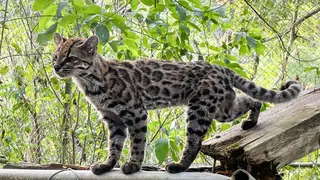
Genetic analysis of tiger cats has revealed a fifth distinct species, named Leopardus tilcayo, found in Bolivia's Yungas forests. The discovery marks the first new cat species named in a hundred years. Researchers sequenced complete genomes of 38 individuals to identify the new species.
The tilcayo was identified through whole-genome sequencing of 38 Leopardus specimens, including 26 tiger cats. Its lineage split from relatives roughly 1.4 million years ago. Physically, it measures 42–50 centimeters in head-body length and weighs 1.5–2 kilograms, yet it remains visually indistinguishable from other tiger cats, which are all considered cryptic species.
This discovery follows a series of taxonomic revisions that resurrected three previously lumped species between 2013 and 2024. The team also identified a distinct subspecies, L. tigrinus antisuyo, in Peru. Because the parent species is listed as vulnerable, the new forms require separate conservation assessments, particularly given the threats to their Andean forest habitats.
The naming of a new cat species could reshape conservation priorities in the Andes, prompting separate protection plans for the tilcayo and its habitat. Local communities and wildlife managers may benefit from increased attention and funding, though the cryptic nature of these cats makes monitoring difficult. This discovery may also encourage further genetic surveys across South America, potentially revealing more hidden biodiversity, which could influence how ecosystems are managed.