Investigation Shows AI Surveillance Towers Failed to Prevent Border Deaths
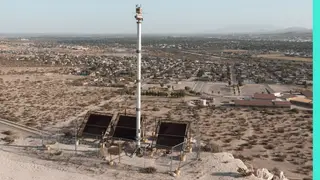
A subscriber-only roundtable examines how the US's 'virtual wall' of surveillance towers along the southern border failed to detect and save over a thousand people who died in those areas. The investigation found that even newly installed AI-powered towers did not prevent these deaths, raising questions about the technology's effectiveness.
The investigation spans 25 years of surveillance tower deployment along the southern border, documenting more than a thousand fatalities in areas under tower observation. Even the newest AI-powered systems, designed to automatically detect people, failed to prevent these deaths. Related reporting includes the first comprehensive map of border deaths and four proposed remedies.
The subscriber-only roundtable features editor in chief Mat Honan, senior AI reporter James O'Donnell, and investigations reporter Eileen Guo. Their conversation examines the humanitarian crisis and repeated failures of the virtual wall's security promise, while highlighting individual stories of those who perished in the borderlands.
This investigation could reshape public debate about whether AI-powered border surveillance delivers on its promises. Migrants, border communities, and taxpayers funding these systems may all be affected by the findings. The failure of supposedly advanced technology to save lives could prompt broader scrutiny of AI deployments in other safety-critical contexts, though the technology's applications vary widely.