Chilean lake site reveals early human butchery of ancient elephant-like mammals
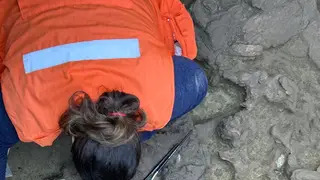
Archaeologists working at ancient Lake Tagua Tagua in central Chile have found a dense cluster of gomphothere bones dating to between 13,000 and 12,000 years ago. Several bones bear cut marks consistent with stone-tool use, and nearby stone tools and flakes support the interpretation of on-site processing. The unusual concentration and preservation of the remains distinguish this assemblage from other known sites in the region.
The discovery at ancient Lake Tagua Tagua in central Chile centers on a dense concentration of gomphothere bones, dated to roughly 13,000 to 12,000 years ago. Gomphotheres were elephant-like mammals that roamed the Americas during the Pleistocene. The bones bear cut marks consistent with stone-tool use, and the presence of nearby stone tools and flakes strengthens the case for on-site processing by early humans.
What makes this assemblage distinctive is its unusual density and preservation, which sets it apart from other archaeological sites in the region. The clustering suggests a deliberate activity area, offering a rare window into early human subsistence practices in South America during the late Pleistocene.
This find could reshape understanding of early human settlement and hunting practices in South America. The dense, well-preserved assemblage may allow researchers to reconstruct butchery techniques and group behavior, potentially influencing how archaeologists interpret similar sites. For the public, it reinforces the deep history of human activity in the Americas, and for local heritage efforts, it could elevate the region's archaeological significance, drawing attention and possibly resources for further study and preservation.