Diverse Dinosaur Fauna Thrived in Ancient Antarctic Environments
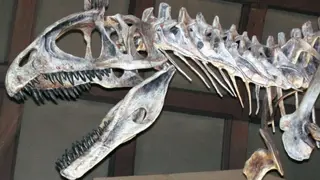
Antarctica harbored a rich diversity of dinosaurian species during the Mesozoic Era, ranging from large carnivorous predators to massive herbivorous creatures. Paleontological evidence reveals that the continent's climate and ecosystem once supported abundant dinosaur populations before the region became inhospitable to large reptiles. This fossil record demonstrates that dinosaurs inhabited virtually all continental environments on Earth.
Antarctica's fossil record provides compelling evidence that dinosaurs were not confined to tropical or temperate zones, but instead occupied nearly every terrestrial environment across the globe during the Mesozoic period. The continent's ancient ecosystems supported a varied fauna encompassing both apex predators and large herbivorous species, indicating complex food webs and stable environmental conditions that persisted until climatic shifts rendered the region uninhabitable for such megafauna. This discovery underscores the remarkable adaptability of dinosaurian species and challenges previous assumptions about their geographic distribution and ecological range.
This paleontological research may enhance public understanding of prehistoric biodiversity and the extent of dinosaur dominion across Earth's history. For the scientific community, Antarctic fossil discoveries could refine models of ancient climate patterns and continental ecosystems, potentially informing broader discussions about extinction mechanisms and environmental change. Educational institutions and museums might leverage these findings to engage audiences in discussions about deep time, adaptation, and the planet's dynamic geological past.