Small Paris Apartment Transforms Into a Science-Inspired Interior Showcase
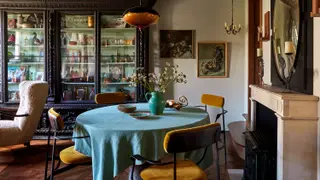
Designer Jessica Helgerson created an intimate 538-square-foot apartment on Place Dauphine for a newly married couple who work in the sciences, weaving their professional interests into a rich design narrative. The space features curated vintage and custom pieces, including a 17th-century Renaissance cabinet as a centerpiece, alongside handpicked furnishings and functional design elements that reflect the homeowners' curiosities. Helgerson's approach balanced eclectic style with practical functionality, creating layered interiors that celebrate both art and science through carefully selected materials and finishes.
Designer Jessica Helgerson drew inspiration from the couple's professional backgrounds in science to develop a cohesive interior narrative for their compact Parisian residence. Rather than pursuing a conventional aesthetic, she anchored the design around a substantial 17th-century Renaissance cabinet, which became the organizing element for the entire space. This curatorial approach allowed her to layer vintage finds with custom furnishings, creating visual depth within the limited square footage while maintaining functional living spaces.
The designer employed a recurring color palette—notably robin's-egg blue—as a unifying thread throughout the apartment, referencing both the Natural History Museum and the famous Parisian curiosity shop Deyrolles. This intentional repetition of hues across textiles, ceramics, and painted surfaces created visual continuity while evoking the cabinet-of-curiosities concept the homeowners requested, transforming a modest 538-square-foot space into an intimate showcase of collected objects and thoughtful design choices.
This residence may influence how affluent homeowners and designers approach small urban properties, demonstrating that limited square footage need not compromise sophisticated design ambitions. The project could inspire renewed interest in vintage and antique furnishings as both aesthetic and sustainability choices, potentially affecting demand in the secondary market for curated pieces. Additionally, the narrative connecting the inhabitants' professional identities to their living environment may encourage broader conversations about personalizing spaces through intellectual and professional interests rather than purely stylistic trends.