French Builder Creates Pet-Friendly Tiny Home With Integrated Dog Sleeping Nook
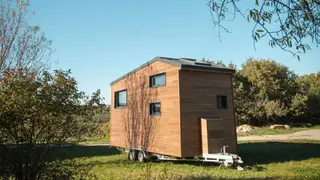
French builder Plume has designed the Pastorale tiny house specifically to accommodate both human and canine residents, featuring dedicated pet comfort zones integrated into the architecture. The 19.6-foot dwelling includes a cantilevered bedroom loft with skylight views, a split-level layout with a warm wooden interior, and a climate-controlled winter sleeping area for dogs. The home combines functional living spaces with thoughtful design elements that prioritize the wellbeing of both owner and pet.
The Pastorale represents an innovative approach to mobile housing by prioritizing the needs of both inhabitants and animals. Built on a double-axle trailer foundation, this 19.6-foot dwelling achieves compact living without sacrificing dedicated spaces for different functions. The design incorporates a split-level structure that uses vertical space efficiently, separating zones for sleeping, cooking, dining, and sanitation while maintaining an open, light-filled atmosphere through strategic window placement and skylight integration.
The pet-specific features demonstrate thoughtful spatial planning within severe constraints. A climate-controlled sleeping area positioned beneath the main living platform provides insulated comfort for dogs during cold months, while integrated storage maximizes utility. The warm wood interiors and natural light access throughout the home create a cohesive living environment designed for both human and animal wellbeing, addressing a gap in the tiny home market where pets are typically an afterthought rather than design considerations.
This design could influence how future tiny home builders approach multi-occupant living, potentially expanding the market to pet owners previously deterred by space limitations. The Pastorale may demonstrate to manufacturers that pet-inclusive features—temperature control, dedicated sleeping areas, and thoughtful layouts—could become standard offerings rather than custom additions. Such innovations could reshape tiny home appeal among rural workers and mobile professionals with animal companions, though broader adoption may depend on pricing accessibility and builder awareness of these design possibilities.