Brazil heads to polls in closely contested presidential election between incumbent and challenger
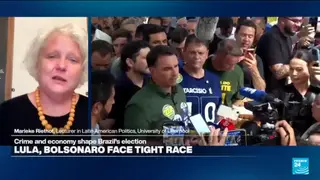
Brazilian voters are preparing to cast ballots in a closely contested presidential election between incumbent Luiz Inacio Lula da Silva and opposition candidate Flavio Bolsonaro. Both campaigns concluded with final rallies in São Paulo, the state representing approximately one-fifth of the nation's electorate. Political analysts characterize the election as highly competitive with significant undecided voters still to be persuaded.
Brazil's presidential election represents a significant political moment as voters prepare to choose between continuity under the incumbent administration and a change of direction offered by the opposition. The state of São Paulo has emerged as a crucial battleground, given its outsized electoral significance representing roughly 20 percent of the national electorate. Both campaigns strategically concluded their activities in this region to maximize their reach among remaining undecided voters before polls opened.
The competitive nature of this election reflects broader political polarization within Brazil, with analysts noting that substantial numbers of voters remained uncommitted heading into the election day. The final campaign phase concentrated on persuasion efforts targeting these swing voters, particularly in high-population centers where electoral margins are often decided.
The outcome could significantly shape Brazil's domestic and international policy direction over the coming years, affecting economic approaches, social programs, and foreign relations. Different electoral results may influence investor confidence and market stability given the contrasting platforms presented by the candidates. The large undecided voter population suggests the election result could reflect shifting public sentiment on key issues, potentially reshaping political coalitions and governance priorities for the region's largest economy.