Biological Cement Material Offers Novel Approach to Construction on Mars
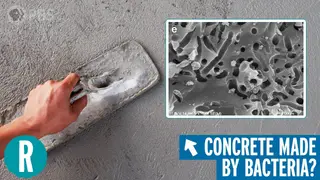
Chinese researchers have developed a bioengineered cement material that combines biological and adhesive properties, potentially enabling in-situ construction on Mars using planetary soil. The living cement technology could facilitate 3D-printing techniques for building habitats directly from Martian regolith without requiring transport of construction materials from Earth. This innovation represents a significant breakthrough in sustainable off-world habitat development.
Chinese scientists have engineered a cement with biological components that combines structural and living properties, creating a material suitable for constructing infrastructure on Mars. By leveraging the planet's native soil as a primary ingredient, this approach eliminates the enormous logistical burden of shipping building materials across interplanetary distances, addressing one of the major cost and feasibility challenges in establishing human presence beyond Earth.
The technology integrates additive manufacturing processes, allowing structures to be printed directly from Martian regolith on-site. This method represents a departure from conventional construction approaches, potentially enabling faster habitat development while reducing dependence on Earth-based supply chains for long-term settlement expansion.
This development could reshape the economics and feasibility of Mars colonization by significantly lowering material transport costs, potentially affecting space agencies, private aerospace companies, and future mission planning timelines. The innovation may also influence broader construction methods on other celestial bodies. However, the technology's real-world performance in Martian conditions, scalability, and integration with other habitat systems remain subject to further testing and validation before widespread application becomes viable.