Structural Analysis Reveals Ancient Ethiopian Palace's Capacity for Multi-Story Construction
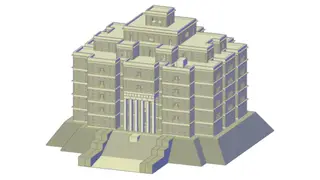
A new engineering study of Grat Be'al Gibri at Yeha in northern Ethiopia demonstrates that the palace's surviving walls possessed load-bearing capacity far exceeding what the remaining ground-floor structures suggest. The palace dates to approximately 2,800 years ago during the early first millennium BCE and originally may have risen to heights equivalent to modern 16-story buildings. This finding reshapes understanding of ancient Ethiopian architectural ambitions and construction techniques.
Engineers examining the ancient palace of Grat Be'al Gibri have determined that its remaining stonework contained substantially greater structural strength than visible ruins suggest. Located at Yeha in Ethiopia's northern region, this royal residence dates back approximately three millennia to the early Iron Age, yet its foundational walls show evidence of having supported dramatically taller constructions than currently stand.
The research indicates the original palace may have achieved heights rivaling contemporary high-rise buildings, suggesting sophisticated understanding of weight distribution and materials science among early Ethiopian builders. This discovery challenges previous assumptions about architectural complexity in ancient Africa and points to advanced engineering knowledge developed during that historical period.
This finding may influence how scholars assess technological development in ancient African civilizations, potentially reshaping curricula in archaeology and architectural history. Museums and heritage organizations could face renewed interest in Ethiopian archaeological sites, which might affect funding allocations for excavation and preservation. The research could also inform contemporary discussions about recognizing non-Western contributions to engineering innovation, though broader public awareness may depend on media coverage and educational integration of these findings.