Ancient Tampa Bay pottery reveals Mississippian migration patterns to Florida peninsula
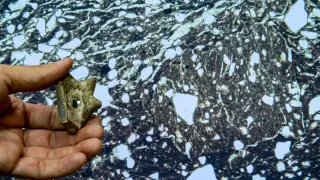
Florida Museum researchers resolved a century-long puzzle regarding pottery fragments discovered around Tampa Bay that bore striking resemblance to Mississippian ceramics from hundreds of miles north. Analysis suggests migrant potters brought northern pottery-making techniques southward and incorporated fragments of their homeland pottery into new vessels, creating a material record of cultural continuity across generations. The discovery indicates that peninsular Florida had closer cultural connections to Mississippian societies than previously documented.
The Tampa Bay pottery mystery emerged nearly a century ago when archaeologists noticed ceramic fragments bearing decorative patterns consistent with northern Mississippian traditions, despite being found hundreds of miles south in Florida. Yet these same sites displayed only some hallmarks of Mississippian culture—such as mound complexes and symbolic imagery—while conspicuously lacking others like maize farming and shell-tempered vessels, creating an archaeological puzzle that resisted simple explanation.
Recent scientific analysis using petrographic techniques revealed that specialized craftspeople migrated from Mississippian heartland regions to settle in Tampa Bay communities, where they maintained their distinctive pottery-making methods and clay sources. Most remarkably, these artisans incorporated fragments of pottery from their homeland into newly created vessels, suggesting intentional cultural preservation that connected subsequent generations to their ancestral origins across the physical distance separating them.
This research may refine scholarly understanding of pre-Columbian southeastern North America by documenting previously underappreciated cultural exchange between distant Indigenous societies. The findings could influence how archaeologists and educators represent regional interconnections and migration patterns in broader narratives about Native American history. Museum curators and academic institutions might adjust interpretive frameworks and exhibition materials to reflect these closer connections between peninsular Florida communities and northern Mississippian societies, potentially affecting how the public understands Indigenous social complexity during this period.