Poland stations air defense systems on Ukrainian border, launches major civil protection program
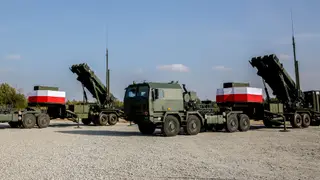
Poland announced it will position Patriot air defense batteries in its Lublin region bordering Ukraine to protect residents and airport operations amid rising tensions with Russia. Prime Minister Donald Tusk simultaneously unveiled a comprehensive five-year civil defense program worth approximately $26.4 billion, primarily targeting infrastructure investments in shelters, rescue facilities, stockpiles, and critical utilities protection. The initiatives reflect growing security concerns following repeated Russian airspace violations and recent attacks on Polish-Ukrainian border infrastructure.
Poland's deployment of Patriot systems in the Lublin region represents a direct response to escalating security incidents along its eastern frontier. Recent months have witnessed Russian military strikes targeting infrastructure near the Polish-Ukrainian border, including attacks on a crossing point and civilian rail transport, alongside multiple airspace violations. These incidents prompted Prime Minister Tusk to publicly warn in mid-September that Russian military activity would likely intensify over subsequent weeks and months.
The accompanying civil defense initiative constitutes a substantial shift in Poland's protection strategy. Unlike previous programs that funded reactive emergency purchases, this five-year plan emphasizes preventive infrastructure development, including shelter construction, rescue facilities, and utility protection systems. Regional authorities will have decision-making power over how allocated funds are deployed, allowing communities to prioritize investments according to local vulnerability assessments.
These measures could significantly affect Polish civilian preparedness and border region stability. Residents in vulnerable areas may experience both reassurance from visible defensive infrastructure and heightened awareness of security threats. The $26.4 billion investment may strain public budgets while potentially strengthening emergency response capabilities. Border communities could face economic and social disruptions during construction phases, while improved civil infrastructure might attract or deter population movement depending on perceived security trajectories.