Ancient Scandinavian Violence Revealed Through Domestic Burial Sites and Skeletal Trauma
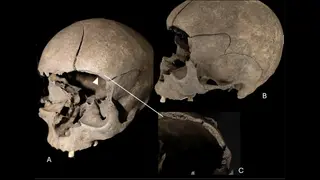
Researchers examining 192 human remains discovered in domestic contexts across Iron Age and Viking Age Scandinavia found evidence of widespread community violence, with at least 12 individuals bearing injuries sustained around the time of death. Bodies and body parts were interred in unconventional locations such as house floors, wells, and pits rather than formal burial grounds, suggesting ritual or punitive practices. The violence affected adults of both sexes and children, with head trauma being the most common injury pattern.
This research examined skeletal remains from domestic settlement sites spanning roughly 1,500 years of Scandinavian history. The study identified traumatic injuries consistent with interpersonal violence, with head wounds being particularly prevalent among the casualties. Notably, radiocarbon analysis indicated some remains had been curated—stored and preserved—for extended periods before final deposition, suggesting these bodies held significance beyond simple disposal.
The placement of human remains in everyday domestic spaces rather than dedicated burial grounds points toward deliberate ritualistic or punitive practices. The inclusion of victims across different demographics challenges assumptions about violence being limited to adult male combatants, indicating community-level conflict affected vulnerable populations including women and young children.
These findings could reshape scholarly understanding of Iron and Viking Age social structures by demonstrating that interpersonal violence was endemic rather than confined to elite warrior conflicts or organized warfare. The research may prompt archaeological teams to examine domestic sites with renewed attention to skeletal trauma, potentially uncovering additional evidence of violence previously overlooked. Understanding violence patterns across ancient societies could contribute to broader anthropological discussions about community conflict resolution and social organization in pre-industrial societies.