EU approves cross-border renewable projects including Ukrainian wind farm and hydrogen production facility
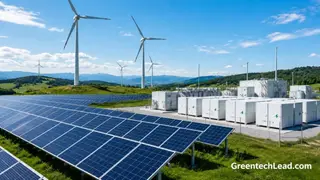
The European Commission has granted Cross-Border Renewable Energy status to three projects including a 650 MW onshore wind farm in Ukraine, a 180 MW wind-solar facility in Poland linked to German heating systems, and a district heating expansion in Austria. ThyssenKrupp nucera is investing €10-14 million to establish an electrolyzer assembly hub in Portugal, with government co-funding of €3.7 million and production expected to begin in 2028. The UK Research and Innovation council has awarded £3 million toward developing DeepWind, a national test facility for floating offshore wind technology targeting completion by 2030.
The European Commission's cross-border designation represents a coordinated approach to renewable infrastructure, linking energy generation across multiple nations to meet regional demand. The Ukrainian wind project demonstrates continued European investment in Eastern European renewables despite geopolitical challenges, while the Poland-Germany wind-solar connection and Austrian heating expansion illustrate how neighboring countries are integrating their energy systems to optimize distribution and reduce reliance on fossil fuels.
ThyssenKrupp nucera's Portugal facility addresses a critical gap in European green hydrogen production capacity. By establishing domestic electrolyzer manufacturing, the hub aims to support the continent's hydrogen transition while creating industrial employment and reducing supply chain dependencies on distant suppliers.
These projects could accelerate Europe's path toward climate targets by diversifying renewable sources and establishing hydrogen infrastructure at scale. Cross-border cooperation may improve energy security and cost efficiency by matching supply to demand across regions. The manufacturing hub and floating wind test facility could benefit emerging industries and skilled workers, though success depends on timely construction and technological performance. Communities hosting projects may experience both economic gains and environmental considerations requiring careful management.