Supreme Court considers liability rules for fossil fuel companies in climate damage case
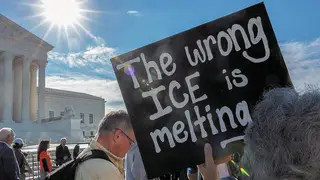
The U.S. Supreme Court heard arguments this week on whether local governments can pursue lawsuits against major oil companies for climate-related damages, reviewing an appeal from ExxonMobil and Suncor Energy challenging Colorado's authorization of a Boulder lawsuit. The outcome of this case could significantly influence Hawaii's pending litigation against fossil fuel producers seeking compensation for climate change impacts. Justices grappled with complex legal questions about municipal authority to hold private corporations accountable for environmental harm.
The Supreme Court's review centers on whether municipalities possess independent legal standing to pursue climate damages through state courts or whether federal environmental regulations preempt such actions. Boulder's 2018 lawsuit represents an approach where local governments seek to recover costs associated with climate adaptation and disaster response, arguing that corporations profiting from fossil fuel production should bear financial responsibility for resulting harms. The case involves fundamental questions about regulatory authority and corporate accountability in environmental law.
The case carries significant implications for climate litigation strategy across the country. Nearly 60 jurisdictions have filed comparable suits targeting major energy producers for billions in potential damages. Hawaii's pending cases against seven major oil companies follow this model, making the Supreme Court's decision directly relevant to whether those claims can proceed through state legal systems or face dismissal on jurisdictional grounds.
The ruling could reshape how local and state governments pursue climate accountability strategies. A decision favoring fossil fuel companies might eliminate a significant avenue for recovering climate-related costs, shifting responsibility entirely to federal regulation and policy. Conversely, a decision supporting Boulder could enable widespread litigation and potentially establish precedent for corporate liability in climate damages. Either outcome affects municipal budgets, energy industry operations, and the distribution of climate adaptation costs across society.