Supreme Court Hears Arguments on Whether State Climate Liability Suits Can Proceed Against Energy Producers
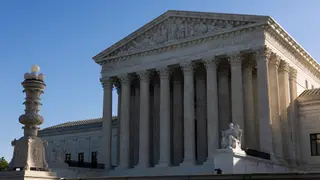
The Supreme Court heard oral arguments in Suncor Energy v. Boulder County, a landmark climate case where Colorado's Boulder County is suing two major energy producers for damages resulting from climate change-related wildfires and floods. The central legal question is whether federal law preempts state-level tort claims against fossil fuel companies for misrepresenting the dangers of their products and exacerbating climate change. A ruling for Boulder would keep state courts open as a venue for climate litigation against energy producers, while a decision for the defendants could shut down dozens of similar ongoing lawsuits.
Boulder County filed its 2018 lawsuit seeking to hold two energy producers financially responsible for climate-related damages through state-level tort mechanisms. The county's claims allege that the defendants sold fossil fuels while concealing knowledge of their environmental risks, contributing to the intensification of destructive weather events including wildfires and flooding that harmed local residents and property. The case represents an effort to pursue accountability through traditional legal frameworks—nuisance, trespass, and consumer protection claims—rather than federal environmental statutes.
A Supreme Court decision favoring Boulder would permit state courts to hear similar climate liability claims, potentially opening a new avenue for municipalities and states to seek damages from energy producers. Conversely, a ruling for the energy companies could eliminate dozens of comparable lawsuits already in progress across various state jurisdictions, effectively foreclosing this litigation strategy.
The outcome could reshape how climate change harms are addressed through the legal system. If state suits proceed, municipalities facing climate-related disasters may gain leverage to recover adaptation and recovery costs from fossil fuel companies. However, a decision allowing such litigation could expose energy producers to extensive liability exposure and potentially affect energy sector operations and investment. The ruling may also influence how federal and state authority interact on environmental and energy matters, affecting broader policy approaches to climate accountability.