Regional Economic Developments: China's Energy Push, Agricultural Trade Expansion, and Strategic Port Growth
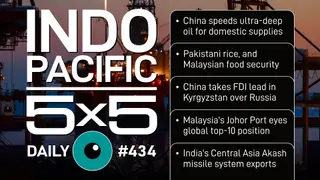
China is ramping up ultra-deep oil and shale gas production from its western regions to meet domestic energy demands, with PetroChina and Sinopec achieving significant drilling milestones in Xinjiang and Sichuan provinces. Pakistan is expanding agricultural exports by shipping an additional 70,000 metric tonnes of rice to Malaysia between October and December, capitalizing on Malaysia's substantial import dependency for rice. The briefing also covers China's leading investment position in Kyrgyzstan, Malaysia's Johor Port ambitions, and India's missile export activities in Central Asia.
China's energy strategy focuses on extracting resources from challenging deep-sea and underground formations in western provinces to reduce reliance on imports. The Hade-Fuman field in Xinjiang and the Ziyang Dongfeng shale gas reserves in Sichuan represent major infrastructure investments, with PetroChina and Sinopec deploying advanced drilling technology to access reserves buried thousands of meters below the surface. Meanwhile, Pakistan's agricultural sector is capitalizing on regional demand imbalances, particularly in Malaysia, where domestic rice production significantly lags consumption needs and import dependency remains high across multiple food categories.
These developments may reshape regional supply chains and investment patterns across Asia-Pacific. Enhanced Chinese energy production could moderately reduce import pressures, while Pakistan's agricultural exports may support farmer incomes and strengthen bilateral trade relationships. Malaysia's food security increasingly depends on foreign suppliers, potentially affecting pricing and availability for consumers. China's dominant foreign investment position in Central Asia could influence infrastructure projects and geopolitical alignment in that region. Port expansions like Johor may facilitate greater trade volumes throughout Southeast Asia.