Jupiter, Meteors, and a Halloween Moon Top October's Sky
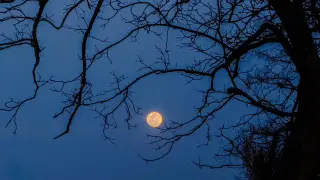
NASA has highlighted four celestial events for October, including Jupiter passing behind the Moon, two meteor showers, and a bright full Moon before Halloween. The Draconids peak on October 8–9, while the Orionids come from debris left by Halley's Comet. The Hunter's Moon will also light the sky just ahead of the holiday.
NASA selected four October sky events. On October 6, Jupiter passed behind the Moon's thin crescent for about an hour, visible before dawn in parts of eastern and central North America. Binoculars could reveal more detail, including Jupiter's own moons near the lunar edge.
The Draconids peak on October 8–9, with viewing from about 9 p.m. EDT. A nearly new Moon leaves dark skies, though the shower usually yields only a few meteors hourly. The Orionids peak October 21 and come from Halley's Comet debris. A bright Hunter's Moon follows before Halloween.
The October lineup may encourage casual skywatchers, families, and students to spend more time outdoors, especially where dark skies are accessible. Easier events like the Draconids, visible soon after nightfall, could make astronomy feel more approachable without special equipment. Planetariums, science teachers, and local astronomy groups might use these dates for informal learning or community viewing. The Hunter's Moon before Halloween may also add seasonal cultural interest, though weather and light pollution could limit actual viewing for many.