How to Witness the 2026 Beaver Supermoon Across the United States
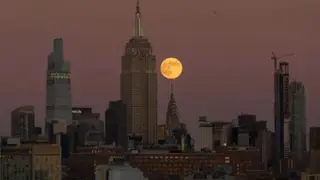
The Full Beaver Supermoon will reach peak brightness on November 24, 2026, appearing larger and brighter than usual due to its close proximity to Earth. Best viewing opportunities occur in the evenings of November 23 and 24, when the Moon rises in the eastern sky and climbs high in the southern sky by midnight. Ideal locations include national parks and open areas with minimal light pollution for optimal visibility.
The Full Beaver Supermoon will reach peak brightness on November 24, 2026, at 9:53 a.m. EST, though optimal viewing in the United States will occur during the evenings of November 23 and 24 as the Moon rises in the eastern sky and climbs to a high position in the southern sky by midnight. This supermoon is the first of three consecutive supermoons, followed by full Moons in December 2026 and January 2027, occurring when the Moon is at its closest point to Earth in its elliptical orbit—known as perigee—making it appear up to 14% larger and 30% brighter than a typical full Moon. The name “Beaver Moon” originates from Native American traditions, reflecting beavers’ seasonal activity of building dams and storing food in preparation for winter, as noted by NASA. The event is being promoted through media coverage and public outreach by organizations like the National Park Service and Dark Sky International, which certify parks with minimal light pollution to enhance stargazing experiences.
The primary institutions involved include NASA, the Farmers' Almanac, and international dark sky certification bodies such as the International Dark-Sky Association (IDA), all of which contribute scientific data and public education. The National Park Service supports viewing by identifying designated dark-sky locations across the U.S., including Grand Canyon, Joshua Tree, Arches, Death Valley, and Big Bend National Parks—each offering unique landscapes for photography and observation. These par
The 2026 Beaver Supermoon could increase public engagement with astronomy and environmental stewardship, particularly through national parks that promote dark sky awareness. As people travel to remote locations like Death Valley or Big Bend for optimal viewing, local economies may see a temporary boost in tourism, especially around November 23–24. This pattern mirrors the surge in visitation seen during the 2017 total solar eclipse, which led to lasting investments in visitor infrastructure and educational programming. The event may also reinforce broader societal interest in light pollution reduction, potentially influencing municipal lighting policies and private sector adoption of dark-sky-friendly technologies. However, increased foot traffic could strain fragile ecosystems if not managed sustainably. What to watch for next is whether this astronomical spectacle catalyzes sustained public support for dark sky conservation or fades into a fleeting trend—its long-term impact may depe