Stephen A. Smith says Trump refuses to accept blame for GOP midterm losses
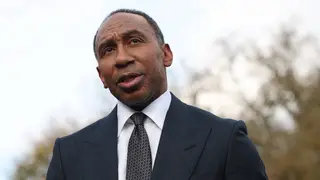
ESPN commentator Stephen A. Smith said President Donald Trump was 'immovable' in refusing to take responsibility for the Republican Party's significant midterm election losses during a White House interview. Smith noted that Trump claimed he wasn't on the ballot despite urging voters to vote as if he were, and argued that Trump blamed poor candidate quality rather than his own influence.
On November 12, 2026, ESPN commentator Stephen A. Smith conducted a 40-minute interview with President Donald Trump at the White House, which he later discussed on Fox News’ “Hannity.” During the conversation, Smith pressed Trump on the Republican Party’s significant midterm election losses, describing them as “devastating” and effectively resulting in Democrats gaining control of Congress. Despite Trump’s repeated campaign messaging urging voters to “vote as if he were on the ballot,” he denied personal responsibility during the interview, stating, “I wasn’t on the ballot.” Smith challenged this contradiction, pointing out that Trump had actively campaigned for candidates while positioning himself as central to their electoral fate. Trump instead blamed the losses on poor candidate quality, asserting that better candidates would have changed the outcome. This stance reflects a broader pattern of political deflection observed in past elections, where leaders distance themselves from electoral results despite significant influence over campaigns. The interview took place amid growing scrutiny of Trump’s leadership style and its impact on party cohesion, particularly after the Iran War and tariff policies were cited as contributing to voter dissatisfaction. Smith also dismissed speculation that Trump had offered him the role of White House press secretary, calling it “hilarious” given his current affluence with ESPN and Disney. The Democratic Party, meanwhile, faces internal tension between its moderate and far-left wings, a challenge Smith warned could hinder unity despite their electoral victory.
Trump’s refusal to accept blame for the GOP’s midterm defeat may reinforce perceptions of leadership detachment among voters, potentially affecting future party loyalty and primary dynamics. If Trump continues to deflect responsibility, it could deepen divisions within the Republican base, particularly between establishment figures and more populist factions. The media spotlight on this interview—amplified by Fox News’ platform—highlights how high-profile commentators can shape narratives around political accountability. A comparable precedent is George W. Bush’s 2006 midterm losses, when he faced criticism for his Iraq War strategy but maintained a similar posture of deflection. In that case, the backlash contributed to Republican internal realignment. Here, Trump’s stance may embolden party loyalists while alienating moderates who seek more introspection. Democrats, though victorious, may face challenges in governing if their coalition remains fractured, especially as progressive factions demand bold policy shifts. The next phase could involve increased scrutiny of how both parties manage internal dissent and whether Trump’s influence will shape the 2028 presidential race. How media figures like Smith continue to frame these debates may also affect public trust in political discourse.