Brazilian presidential election heads to closely contested vote with two candidates deadlocked
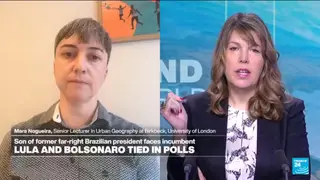
Voting began Sunday in Brazil's competitive presidential contest between incumbent Luiz Inácio Lula da Silva and right-wing candidate Flavio Bolsonaro, with the race essentially deadlocked according to polling data. Analysts attribute the tight competition to voters choosing sides based on opposition to the other candidate rather than genuine support, with economic concerns, religious values, and digital media influence driving the outcome.
Brazil's electoral contest features 80-year-old incumbent Lula da Silva competing against Flavio Bolsonaro, a senator and son of former president Jair Bolsonaro. The race has tightened significantly, with polling data showing the two candidates nearly equal in voter support as balloting commenced on Sunday. Multiple underlying forces have contributed to this competitive dynamic, including widespread economic anxiety among voters, differing religious and social values, and the amplifying effect of social media platforms that reinforce partisan divisions.
A significant banking scandal has emerged during the campaign period, though analysis suggests it has failed to substantially damage Bolsonaro's electoral prospects thus far. Political observers note that voter motivation appears driven less by enthusiasm for their preferred candidate and more by determination to prevent their opponent from winning office, indicating polarization of the Brazilian electorate into two distinct camps with fundamentally opposing visions.
The outcome of this election could shape Brazil's policy direction on economic management, social programs, and institutional governance for years ahead. Affected constituencies range from lower-income voters concerned about living costs to religious communities prioritizing specific value positions. The result may also influence regional dynamics across Latin America and could impact Brazil's approach to environmental and international relations issues. Voters' reliance on digital media for political information suggests that information ecosystems themselves have become consequential factors in determining electoral results.