Aging Wind Turbines Present Massive $100 Billion Replacement Opportunity
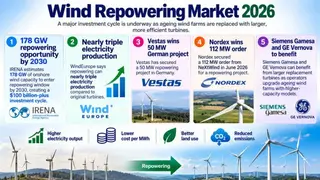
Approximately 178 GW of aging onshore wind turbines could reach the end of their operational lives by 2030, creating a significant investment opportunity for turbine manufacturers and developers to replace them with larger, more productive equipment. Wind repowering offers economic advantages over greenfield development by reusing existing land rights, grid connections, and infrastructure while upgrading to modern technology. The replacement cycle could generate between $89 billion and $134 billion in incremental investment depending on capacity increases achieved.
The wind industry faces a critical turning point as turbines deployed during the initial expansion phase of wind energy reach operational maturity. The International Renewable Energy Agency identifies nearly one-fifth of the global onshore wind fleet as candidates for replacement within the next several years, concentrated across 89 countries. This replacement cycle differs fundamentally from building new wind farms, since developers can leverage existing permits, grid infrastructure, and land arrangements already in place.
Modern turbine technology enables substantially higher power output and efficiency metrics compared to equipment installed one or two decades ago. A concrete example illustrates the transformation: upgrading a 100 MW site with contemporary machines could potentially triple annual electricity generation while reducing the physical number of turbines on the landscape. This productivity gain translates directly into improved financial returns for project investors and operators.
Wind repowering could reshape investment patterns across the renewable energy sector and affect electricity markets in mature wind regions. Equipment manufacturers, grid operators, and landowners may experience shifts in business opportunities and revenue streams. Communities hosting aging turbine sites might face temporary construction activity balanced against potential long-term economic benefits. Energy consumers could eventually benefit from increased renewable supply, though actual price impacts depend on electricity market conditions, grid dynamics, and policy frameworks that vary significantly by region.